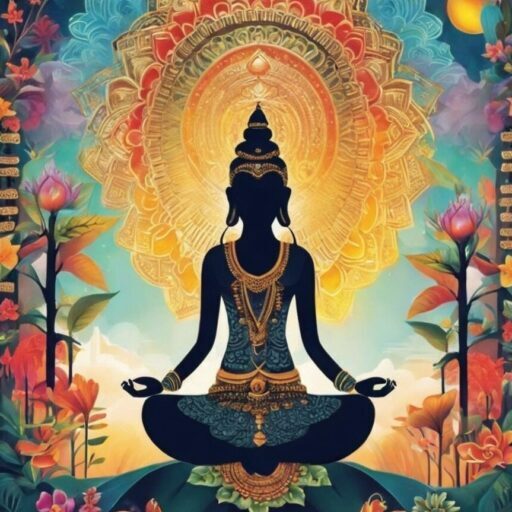

Shakti Yoga
Shakti Yoga reconnects yoga with the divine feminine — Shakti, the primal creative force. Shakti Yoga embraces cycles, intuition, sensuality, and emotional intelligence.
It’s less about form, more about feeling — a return to the body as oracle and temple. Breath, movement, mantra, and ritual often merge here.
It is not a brand. It is a return to the source. Shakti — the feminine force — has always been central in Tantric yoga, but was pushed aside by patriarchal narratives that feared bodily wisdom and emotional power.
The tantrikas knew: liberation isn’t just mental — it’s energetic, embodied, and relational.

This form reconnects yoga with the divine feminine — Shakti, the primal creative force. Shakti Yoga embraces cycles, intuition, sensuality, and emotional intelligence. It's less about form, more about feeling — a return to the body as oracle and temple. Breath, movement, mantra, and ritual often merge here.Is not a brand. It is a return to the source. Shakti — the feminine force — has always been central in Tantric yoga, but was pushed aside by patriarchal narratives that feared bodily wisdom and emotional power. The tantrikas knew: liberation isn’t just mental — it’s energetic, embodied, and relational.

Often seen as a “masculine” path due to its discipline and repetition, Ashtanga can be reclaimed when approached from devotion, not domination. The feminine perspective brings softness to its fire — making space for grace, rest, and inner listening within the rigor. known for its heat and discipline, often feels deeply masculine. But its true roots — the eight limbs (ashta-anga) — point to a path of internal awakening. Many women today reclaim Ashtanga by softening its rigor, aligning it with rest, intuition, and emotional presence. The fire remains, but it is guided by water.

In a feminine key, Vinyasa becomes a flowing dance — not military precision. It honors inner rhythm over external structure. Feminine Vinyasa invites you to move with the moon, the breath, and your emotional tides. It’s storytelling through movement. As taught today, evolved from Ashtanga Yoga under Pattabhi Jois in the 20th century. But the core concept — flowing with the breath — is much older. Women have long moved in devotional flow with prana, not as choreography, but as somatic storytelling. Feminine Vinyasa listens inward; it flows with the moon, with emotion, with the breath of the earth.

In its feminine form, Hatha returns to rootedness and ritual. It’s less about “perfect posture” and more about presence. Every asana becomes a slow act of prayer, a deep dive into bodily wisdom, honoring stillness as power.one of yoga’s foundational systems, emerged in medieval India with deep Tantric roots. Though today associated with asanas (postures), its original intent was the union of solar (Ha) and lunar (Tha) energies — a symbolic balancing of masculine and feminine within. In its feminine form, Hatha was slow, sensorial, intuitive — practiced by ascetics and yoginis alike, as energy alchemy rather than performance.
**Shakti Yoga**
This form reconnects yoga with the divine feminine — Shakti, the primal creative force. Shakti Yoga embraces cycles, intuition, sensuality, and emotional intelligence. It's less about form, more about feeling — a return to the body as oracle and temple. Breath, movement, mantra, and ritual often merge here.Is not a brand. It is a return to the source. Shakti — the feminine force — has always been central in Tantric yoga, but was pushed aside by patriarchal narratives that feared bodily wisdom and emotional power. The tantrikas knew: liberation isn’t just mental — it’s energetic, embodied, and relational.
**Ashtanga Yoga**
**Vinyasa Yoga**
**Hatha Yoga**
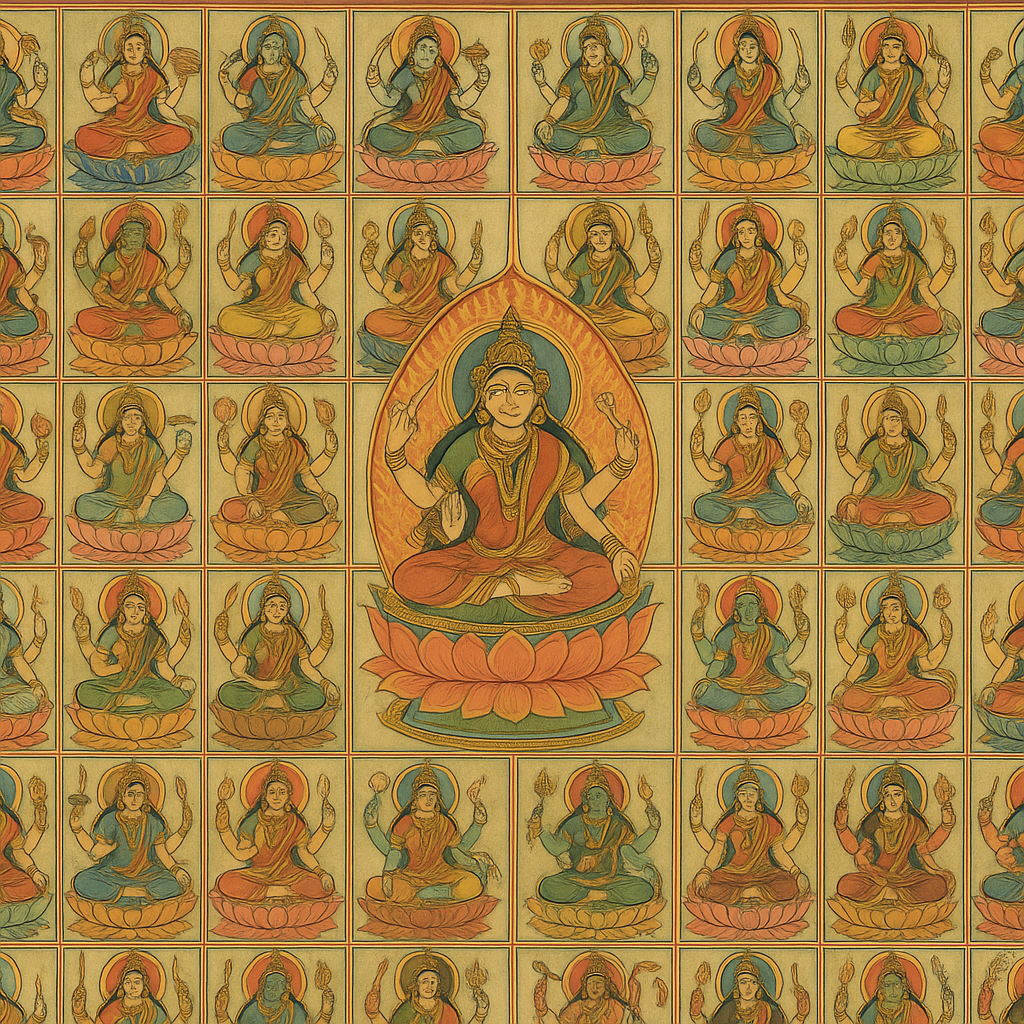
Shakti Yoga
Shakti Yoga reconnects yoga with the divine feminine — Shakti, the primal creative force. Shakti Yoga embraces cycles, intuition, sensuality, and emotional intelligence.
It’s less about form, more about feeling — a return to the body as oracle and temple. Breath, movement, mantra, and ritual often merge here.
It is not a brand. It is a return to the source. Shakti — the feminine force — has always been central in Tantric yoga, but was pushed aside by patriarchal narratives that feared bodily wisdom and emotional power.
The tantrikas knew: liberation isn’t just mental — it’s energetic, embodied, and relational.